
 TECHNICAL INSIGHT · ONLINE THERMAL MONITORING
24/7 online temperature monitoring: early hot-spot detection for substations, transformers and coal storage
A loose terminal, deteriorating contact or self-heating coal zone can develop between inspections. Online thermal monitoring tracks critical locations, preserves their temperature history and helps operators investigate abnormal change before it escalates. ThermoView TV40 combines thermal imaging, visible images and analysis software for industrial asset monitoring from the control room.
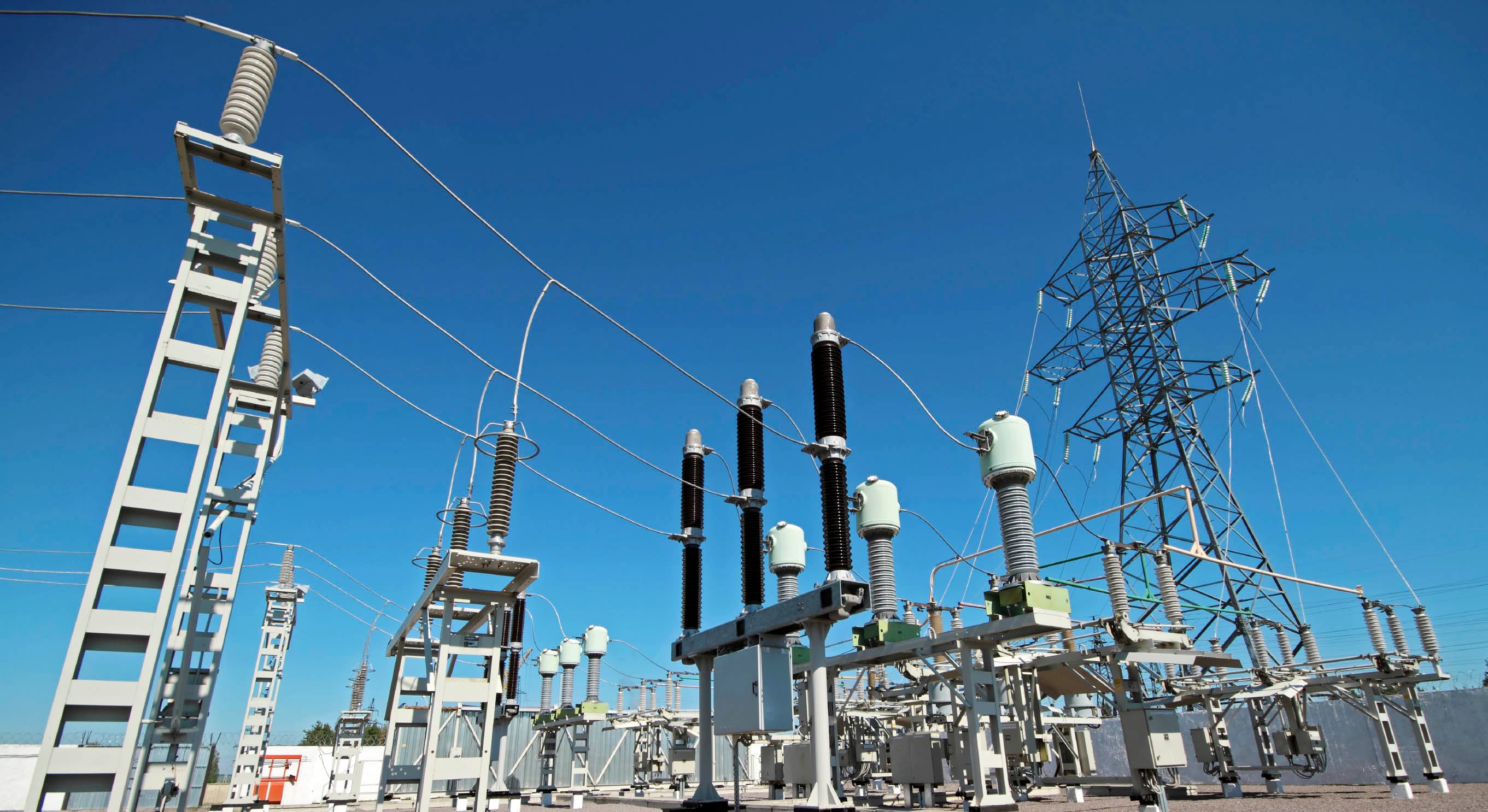
Actual substation photograph published by Fluke Process Instruments. Manufacturer application imagery; not a SuperMRO project.
1. Closing the gap between inspections
Handheld thermography remains useful for surveys and field verification, but it captures conditions only while the inspector is present. An intermittent fault may appear during peak load or overnight. Fixed monitoring adds time histories, helping engineers determine when a deviation started, how long it lasted and what operating conditions coincided with it. [2]
2. Turning thermal images into actionable information
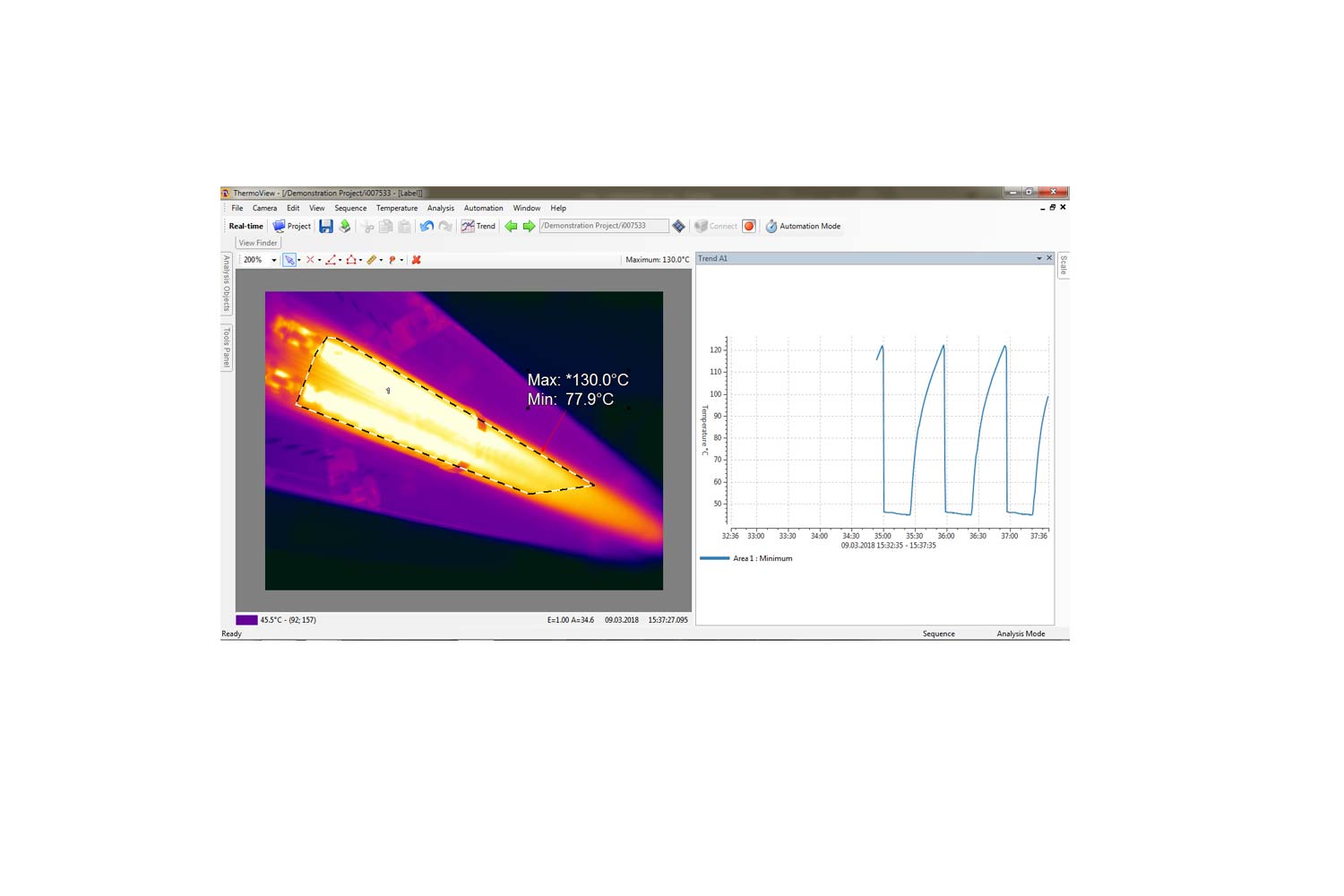
An infrared camera measures radiation from visible surfaces. Engineers assign areas of interest (AOIs) to terminals, bushings, contacts or stockpile zones and evaluate maximum, average or minimum temperature. Visible imagery helps identify the asset. An effective workflow links measurement, analysis, alarm, verification, response and a record of the outcome. A colourful image alone is not a maintenance decision.
3. Substations and switchyards
Survey busbar joints, cable terminals, disconnector contacts, equipment connections, bushings and capacitor banks. Abnormal heat can indicate contact, load or cooling problems; thermography does not independently establish the cause. Small distant joints need adequate measurement pixels and a suitable view. Fences, structures and overlapping equipment can create blind spots. Prioritise assets with severe failure consequences and difficult inspection access. [2]
4. Transformer monitoring
Assign separate AOIs to bushings and connections. Phase comparisons are meaningful when loading, viewing geometry and surface conditions are comparable. Interpret differences alongside current, sunlight, wind and historical trends. Monitoring tanks, cooling equipment and cable ends adds context. Surface imaging does not directly measure internal winding hot spots; retain oil/winding measurements, dissolved-gas analysis and existing protection and diagnostics.
5. Coal and biomass storage
Divide storage areas into identifiable zones and assess hot spots and rising trends. Update regions as piles are received, reclaimed or reshaped. Recently delivered, long-stored and historically troublesome material merits separate assessment. Thermal cameras observe exposed surfaces and may not reveal a deep internal hot spot early. Depending on risk, combine internal probes, CO/gas monitoring and safe stockpile-management procedures. Respond under the facility’s approved safety plan. [4]
6. Three complementary alarm approaches
Absolute temperature identifies an approved limit being exceeded. Differential temperature compares similar regions. Rate of change identifies rapid heating before an absolute limit is reached. ThermoView Critical Asset supports these forms of analysis. Persistence timing, reset hysteresis and exclusions should be engineered to reduce nuisance alarms. Do not copy one threshold across electrical assets and coal storage. [5]
7. A TV40 reference configuration
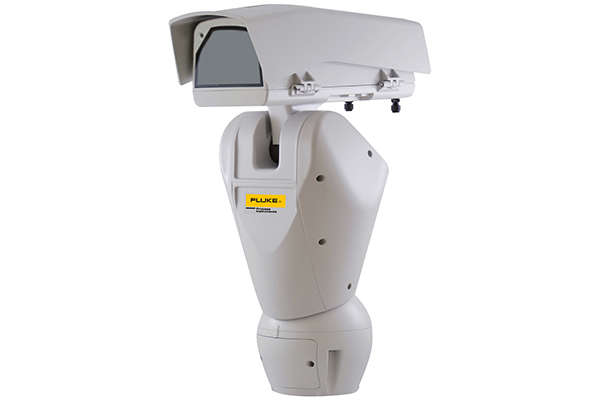
Manufacturer information lists 320 × 240 or 640 × 480 thermal imaging, visible sighting and a reference target range of −10 to 1,200°C, with frame rate depending on version. Target range is distinct from ambient operating temperature. The Pan & Tilt enclosure is rated IP66 and provides 360° horizontal rotation under TCA control. Confirm current camera, lens, enclosure, software and accessory specifications before procurement; a component rating is not certification of the entire installation. [1][3]
8. Fixed viewing versus scanning
Use fixed cameras for critical targets requiring uninterrupted observation. Pan & Tilt can revisit several preset positions, but cannot view every direction simultaneously. Travel, settling and measurement time determine revisit latency. As a design illustration, 20 presets requiring five seconds each yield roughly a 100-second cycle; this is not a manufacturer performance promise. Detection within seconds may require fixed views or more cameras.
9. Integration and system health
A reference architecture connects protected cameras through an industrial Ethernet/fibre network to a software workstation and then to PLC, SCADA or DCS. Protocol and I/O availability depend on the selected package. Define data tags, access rights, time synchronisation, retention and network segmentation. Report communication loss, camera failure, software failure and obscured images separately from overheating alarms. [5]
10. Measurement quality at the site
Emissivity, reflections, distance, weather, dust and viewing angle affect measurement. Shiny metal can reflect an unrelated hot object. Ordinary glazing should not be assumed transparent to 8–14 µm imaging; suitable infrared windows require transmission correction. Engineer safe electrical clearances, stable mounts, lightning protection and clean optics. Dusty or hazardous locations require appropriate protection and certification: IP66/IP67 does not establish explosion protection.
11. An independent coal-yard reference
FLIR describes an ENELEX installation at Nástup Mines in Tušimice, Czech Republic, using cameras on five masts over an approximately 800 × 200 m yard, with control-room alarms and fibre communications. This is a FLIR reference, not a TV40 or SuperMRO installation. Its transferable lesson is the importance of coverage, communications and operator response; do not reuse its camera count without a site survey. [6]
12. Deployment, acceptance and practical value
Inventory assets, map risks and define detection latency. Survey target sizes, distances, obstructions and environmental conditions; pilot one area, establish baselines across operating loads and approve thresholds with operations and safety staff. FAT/SAT should verify suitable reference-source measurements, AOIs, alarms and resets, scan cycles, SCADA tags, recording and failure/recovery behaviour. Assign alarm owners and response times. SuperMRO can coordinate requirements, configuration review, integration and acceptance with the customer and manufacturer under an agreed scope. Evaluate benefits using verified incidents and downtime data. This monitoring layer helps reduce overheating and fire risk while electrical protection, fire systems and dedicated explosion-prevention measures remain essential.
References · Term
| Term | Explanation |
|---|---|
| AOI | An image region assigned to an asset or storage zone. |
| ΔT | Temperature difference between regions or against a reference. |
| dT/dt | Temperature change per unit time. |
| Pan & Tilt | A mechanism that revisits different viewing positions. |
| SCADA / DCS | Facility monitoring and process-control systems. |
References
- Fluke Process Instruments — ThermoView TV40
- Fluke Process Instruments — Electric Utilities and Substation Monitoring
- Fluke Process Instruments — TV40 Pan and Tilt
- Fluke Process Instruments — Biomass & Coal Pile Monitoring
- Fluke Process Instruments — Critical Asset Monitoring software
- FLIR — Coal pile monitoring at Nástup Mines, Czech Republic